

Beijing's Meteorological Department Successfully Responds to July 2023 Extreme Rainstorm with Progressive Services
Affected by Typhoon Doksuri, from July 29 to August 2, 2023, Beijing experienced a severe torrential rain event on record known as ‘23.7’. The accumulated rainfall was significant, with an average rainfall of 331.0 millimeters over 83 hours, maximum rainfall at a single point of 1,025 millimeters (data source from the municipal natural resources department), both of which broke historical records in the Beijing area.
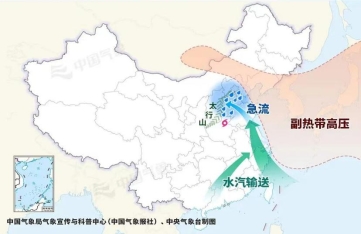
Figure 1 Schematic Diagram of the Causes of the "23.7"
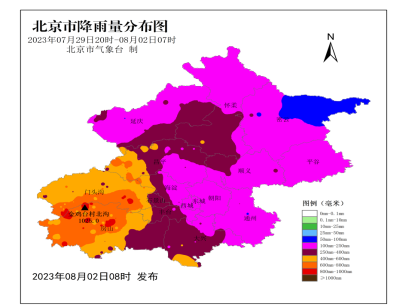
Figure 2 Rainfall Distribution from 20:00 July 29 to 07:00 August 2, 2023
The Beijing meteorological department reported to the municipal government leaders four days in advance (July 25), issued the first special decision-making service report, and released the first public risk prevention tips. One day in advance (July 29), issued orange and red rainstorm warning signals, and notified the major Party and government leaders and principal persons in charge of emergency management, water resources, planning and natural resources departments, reminding relevant flood control responsibility units. As the rainstorm approached, updated the red rainstorm warning information and issued risk prevention tips to the public through mobile communication for the first time.
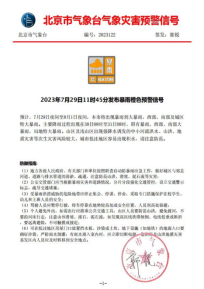
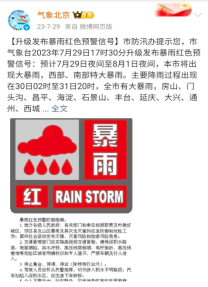
Figure 3 Orange and red rainstorm warning signals issued on July 29
During the event, the meteorological authorities closely monitored the evolution of weather systems, made high-frequency telephone reports to government principals, and maintained 24-hour video links with water conservancy, emergency management and other departments. Rainfall conditions were reported hourly or every half an hour, and short?range forecasts of rainfall trends for the next two hours were issued hourly. Comprehensive analyses were conducted on various risks and the development of flood situations in each district by integrating rainfall, flood and geological disaster warning levels.
When observation data interruptions occurred during the disaster, the China Meteorological Administration (CMA) applied real?time analysis products to accurately interpolate and restore hourly precipitation data from disconnected automatic weather stations. This effectively ensured the integrity and timeliness of the city’s precipitation data products, providing solid data support for emergency command and deployment by the government and relevant departments.
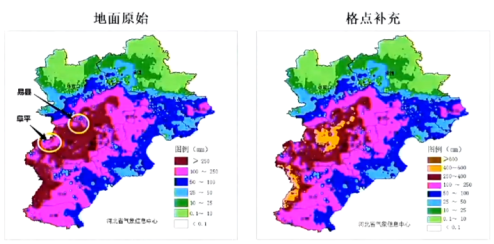
Figure 4 First Application of Multi-source Data Fusion Technology in the ‘23.7’
Leaders of the China Meteorological Administration (CMA), the Beijing Municipal Party Committee and Municipal Government conducted over 20 high-frequency command and coordination sessions.
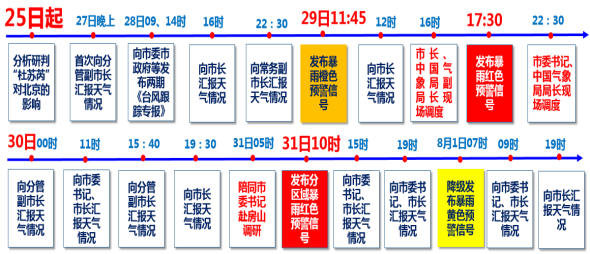
Figure 5 Intensive Command and Deployment by the Beijing Municipal Party Committee, Municipal Government and China Meteorological Administration
On July 29, the Beijing Municipal Government activated a Level?I emergency response. Nine strict measures were implemented, including “no unnecessary travel outdoors and no unnecessary on-site work.” Emergency measures such as shutdowns, closures, cordons and evacuations were ordered in advance: 230 scenic spots were closed, 427 mountain flood gullies were sealed off, and more than 5,100 rural homestays suspended operations. Over 42,000 people were evacuated in advance; all 3,554 construction sites under construction were halted, and nearly 500,000 construction workers were safely relocated.
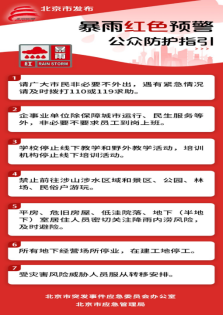
Figure 6 Beijing Municipal Government Issues 9 Risk Prevention Tips
The Beijing Meteorological Service, together with the China Meteorological Administration and the Cyberspace Affairs Office of the Municipal Party Committee, strengthened public opinion guidance and scientific clarification. Two press briefings were held, and three all-media press releases were issued. On-duty chief forecasters provided public interpretations for four consecutive days, giving 6 media interviews and 11 live broadcasts. The special live program "Responding to Weather Alerts" on the news channel of Beijing Radio and Television Station invited meteorological experts for 44 live connections to provide real-time weather interpretations throughout the process. The official Weibo, WeChat accounts and short-video platforms of "Weather Beijing" released 365 information items, with a total reading volume of 23.53 million views.
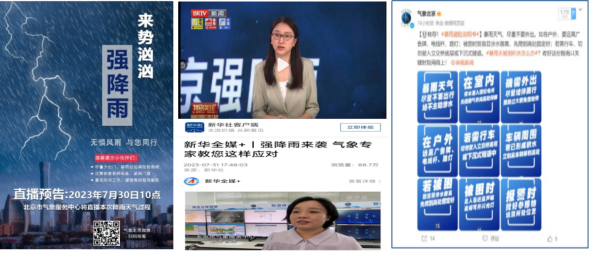
Figure 7 Active Voice Throughout the Process Effectively
After the event, a full review of the rainfall process was carried out to analyze its meteorological causes, conduct a detailed assessment of service performance, and comprehensively verify the accuracy and timeliness of forecasts and early warnings. The experience, lessons learned and improvement measures summarized provide a reference for responding to similar extreme weather events in the future.
The Beijing Municipal Government invested funds and launched relevant projects to restore meteorological support capabilities in the severely affected areas to pre-disaster levels by the end of May 2024, and further densified the meteorological observation network.
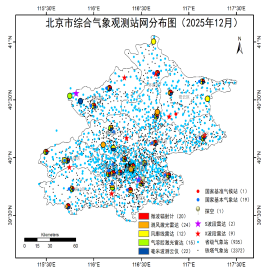
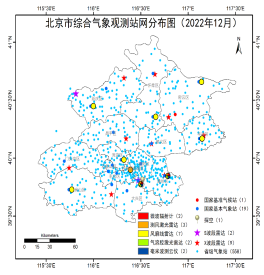
Figure 8 Distribution of Beijing Meteorological Observation Network (Left: 2022; Right: 2025)